A simple framework to help you weave energy saving into your year
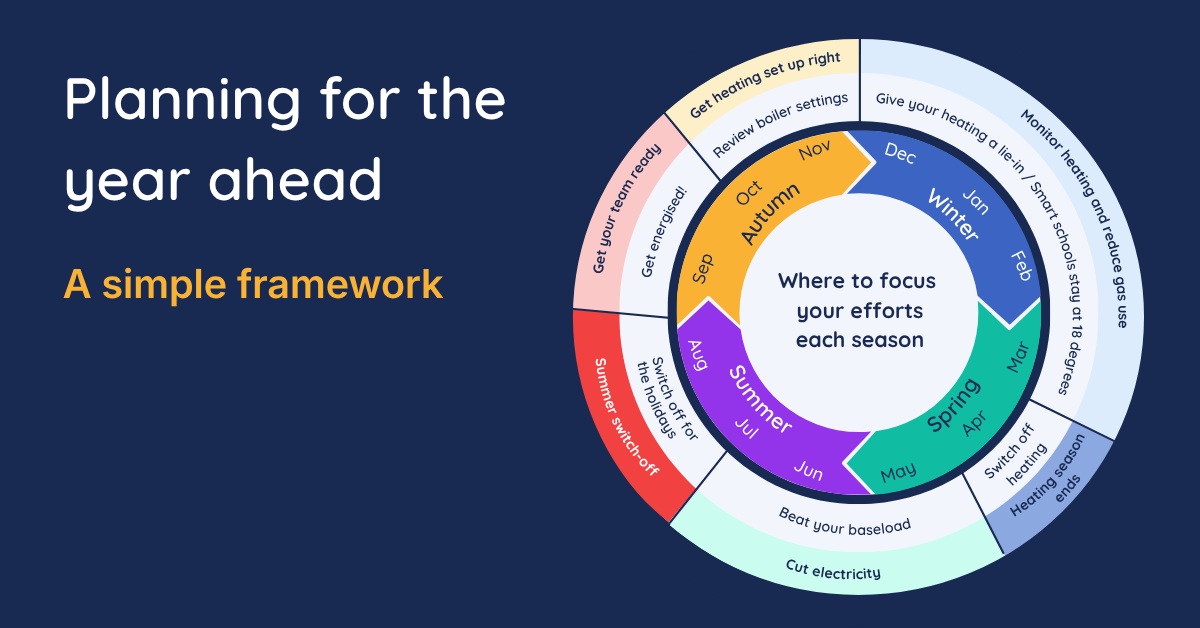
We want to help make planning and implementing energy saving efforts as easy as possible for busy school staff. In this entertaining but informative article, Nick Ashbee – Head of Education at Energy Sparks, shares a simple framework to help you take the right actions at the right times, and reveals some of our best hands-on activities that allow students to pitch in.
“Could you recce a field trip to the Caribbean during the Christmas term?”
Sadly, I believe no head teacher has ever said this…and this request is more likely to appear in a fantastical daydream on a cold December morning commute into the school (as you pull into the carpark, full of fear that your tutor group has already collectively consumed more Advent chocolate than should be physically possible before 9 am).
Yes definitely a dream request only…
Energy Sparks is very conscious of the demands on teaching and school staff, and recognise that not all new opportunities (unlike the Caribbean field trip) will be welcomed.
Another White Paper emerges and new planning or a focus shift is required – and this is on top of everything else that is asked of you on a daily, weekly, termly basis. This could make answering the question “Do you want to be the lead on sustainability and Energy Sparks too?” rather daunting.
So firstly, we really appreciate those of you who have engaged and taken the lead in championing sustainability within your schools – whether you are the site manager, sustainability lead, or a member of SLT .
Secondly, we want to help make planning and implementing energy saving efforts as easy as possible, removing some of the thinking about – what should I be focusing on now and next?
So, as some schools start to think about and plan (dare I write it!) the next academic year, we’re sharing a helpful framework now to help you plan and link energy saving action and learning to the seasons and shifts in gas and electricity usage in your school.
An energy saving and educational cycle
We’ve produced this framework to help you visualise what action or activities to undertake at different points throughout the year. We hope it will be useful for everyone, but it may come in particularly handy if sustainability or energy management is not your specialism, but rather an extra hat you need to wear.
A key starting point, we think, for any integration is to consider a whole-school approach that can link learning to the seasons and shifts in energy usage in your school.
This makes any activity (for example that your students undertake) more relevant and potentially more impactful – even if it’s only one or two things.
For example, exploring gas use and heating in summer is less likely to reveal key insights or lead to real changes (especially when the site manager has already turned off the school’s heating!), so energy use related to heating is a better focus in the winter.
This framework is represented in the infographic below, in which we have mapped out some of the key areas of focus across the year, and highlighted where certain Energy Sparks educational activities and wider school action can help foster whole-school adoption of decarbonisation.
Helpfully, these could also be used to support or generate activities under the citizenship scope of the DfE’s new ‘core curriculum enrichment’ requirements.
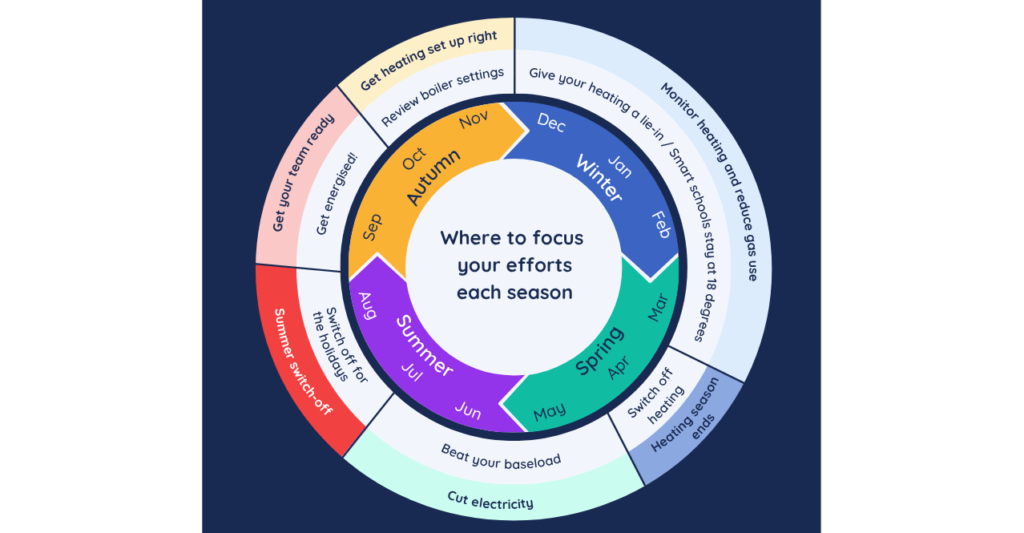
The outer circle shows the energy-saving themes that we suggest staff and students focus on each season. The next, inner circle lists specific educational and/or eco-club activities (available on Energy Sparks – links below) that you could integrate into your plans for taking action on these themes.
In summary, Autumn focuses initially on getting your energy saving team set up and raring to go before focusing on heating through to the end of Winter. In Spring and Summer, when hopefully heating is no longer required, there can be greater focus on electricity use.
- Inspire and equip your energy saving team ready with our Get Energised! programme
Within these seasons (and across school terms), there are obvious moments of activity that could be ideal if you are looking to generate more hands-on, direct action experiences that give students a chance to get involved and apply some of their understanding.
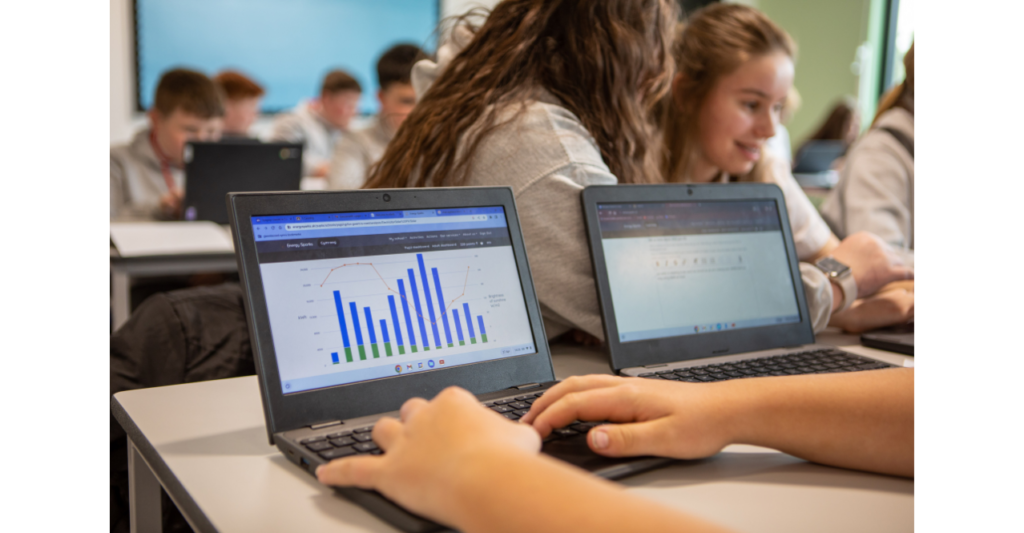
Many of our activities, for example, encourage students to collaborate with staff members to learn about how their roles intersect with energy saving and encourage or support them to take action. In winter, students can collaborate with site managers by monitoring classroom temperatures and thermostat settings and sharing their findings to inform decisions around changing heating settings (e.g. start time, or set temperature).
- In winter, get students and staff working together to cut heating waste with our Smart Schools Stay at 18 Degrees and Give Your Heating a Lie-In programmes.
- Our blog ‘How to get your heating set up correctly for winter’ is packed with tips and tools to help site staff avoid common causes of heating waste.
Once the heating is switched off for the summer, electricity then becomes the main focus, and this is a period when the whole school community can participate in both exploring and reducing the electricity baseload – whether that be ensuring lights are switched off in the classrooms or by ensuring all photocopies are turned off in the office.
- Our Beat Your Baseload programme offers lots of hands-on activities for students that will enable them to make a real difference on cutting electricity use.
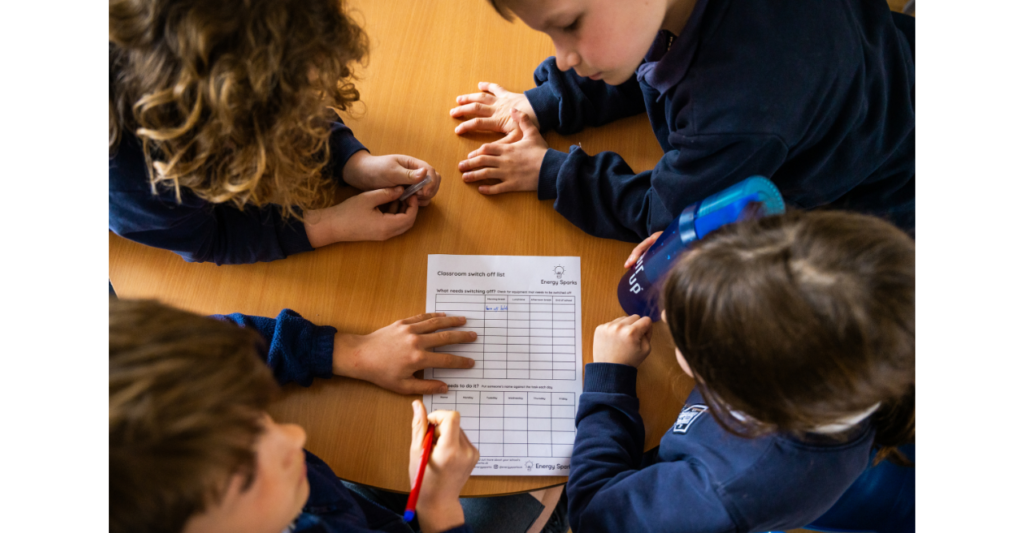
And at the end of each term, students can make a big difference by helping you create switch-off checklists, and carrying out spot checks to ensure that everything is switched off.
![Diagramme shows that reducing out of hours energy use should be a focus all year round, with the recommended activity being to switch off for weekends and holidays.
Text alongside the graphic says "60% of a school's energy is typically used when it is closed to students. Our switch-off lists can help you make big savings"
[links to our switch-off lists are included in the article text]](https://blog.energysparks.uk/wp-content/uploads/2026/05/Blog-body-images-23-1024x533.png)
On average, schools use more than 60% of their energy when the school is closed to pupils, and about a quarter of that is during holidays. This therefore represents a great chance for students to really help with decarbonisation.
- Don’t pay for power when your school is closed – complete our Switch Off for the Holidays programme.
Does this sound like a lot of effort?
If keeping on top of a whole year of energy work sounds overwhelming, we would encourage you to focus on your efforts on where you can make the biggest savings.
We know many schools will dip in and out of this work. However, if you want to sustain progress and don’t have the time…why not do as other schools have done and delegate this to your younger leaders in the school eco-club? As the champions of sustainability within a school, they are rightly focused on concerns where they can lead or take action.
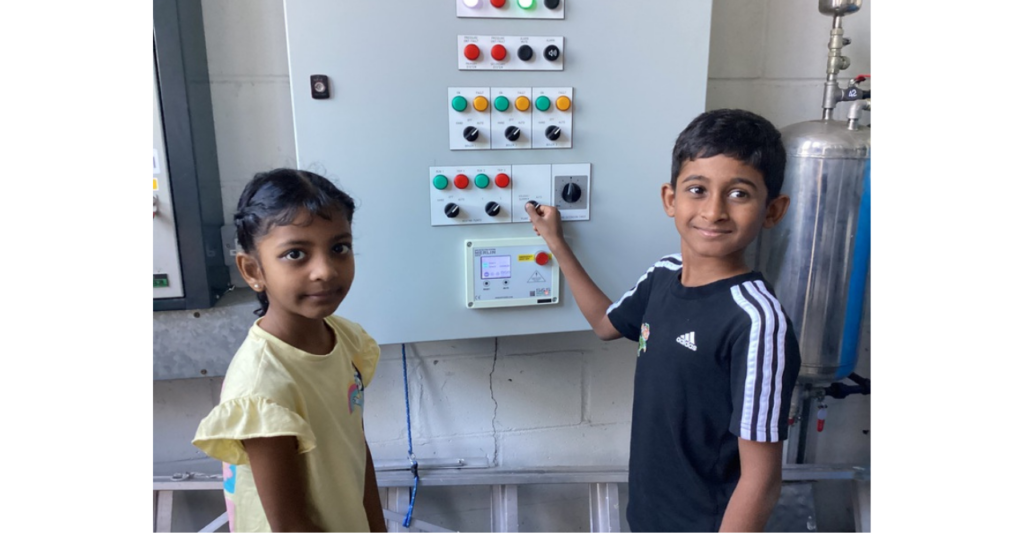
- You can appoint pupil energy monitors in your classes to help you cut energy use across your school.
Sharing this cycle with the eco-club might help their planning too.
We know many eco-clubs tend to concentrate on activities such as litter-picking, recycling and creating nature-friendly spaces – often because these are areas where they feel they can get most hands-on. However, there are lots of practical and impactful ways for them to get involved with energy saving too. And, again, helping them to align their activities according to the season will increase their chances of success.
When the planning is done and eco-club activities are happening, but sustaining them becomes the challenge…
We know that any new initiative succeeds or fails based on how well it can be sustained.
The cycle framework will hopefully act as a quick prompt if you need to get going again and refocus, but it can also help you identify the best moments to bring attention to different types of energy use at your whole school.
For example a Layer up, Power Down day (when we encourage schools to all put on an extra layer of clothing and power down their heating) will be much more impactful in winter if they remember Mr Davies, their PE teacher, coming to school in his full ski kit rather than wearing his normal shorts in summer.
Readers of the Energy Sparks e-newsletters will know that we like to send reminders, and we also run periodic competitions to encourage certain efforts over the course of the year. This is all with the aim of helping you take relevant action and focus on the activities at the right time that will make the greatest difference to your school’s energy use.
