The five key energy saving actions to take this winter
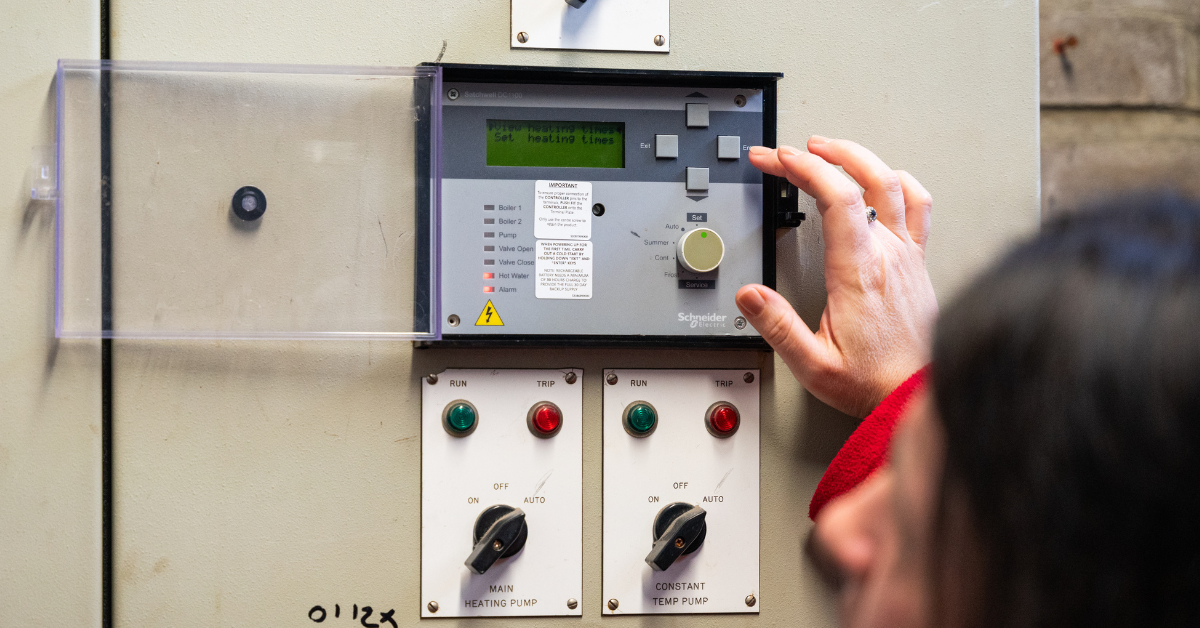
Over the last couple of months, we have been sharing our top tips for cutting heating waste at your school. But we know that you are busy, and that things can feel overwhelming. So if you do only five things this winter – make it these…
1. Adjust your central heating operating times
Why? Our data shows that one of the most common causes of gas waste is schools putting their heating on too early in the morning, and leaving it running for too long.
Not only does this cost schools a lot of money, it can also reduce learning outcomes, as classrooms often become overheated once pupils arrive. Take action with our guidance and resources.
2. Adjust your central heating set temperature
Why? Classrooms heat up quickly when they are full of warm bodies! Our guidance includes recommended temperatures for different room types.
3. Have a system for regularly checking and adjusting your radiators and other thermostats
Why? Let’s be honest – it’s not uncommon for school staff to change thermostats and radiator valve settings (we get it – the author of this post is the ‘perpetually cold’ kind of person).
But there are often better ways to cater for the different temperature preferences within a school, such as keeping doors closed and ensuring that radiators are not covered.
We have some guidance and resources for checking your radiator valves (TRVs), and you can get your pupils involved in checking other thermostats around the school.
If you are facing ongoing problems with this, your Energy Sparks data can really help you communicate the impact of ‘thermostat fiddling’ on school finances and carbon emissions.
4. Check your weekend and holiday gas use
Why? The average school uses more than 60% of their energy when the school is closed to pupils, and about a quarter of this is during holidays.
So, as we head toward the Christmas break, we highly recommend reviewing your out-of-hours gas use. Look at both holiday and weekend use; if anything looks odd, try and get to the bottom of it before the holidays. Combining this with point #1 above could help you make some huge savings.
If you’re worried about your pipes freezing, we recommend checking your frost protection settings rather than leaving heating running.
5. Make sure someone is signed up to receive our alerts…and that they check these!
Why? Heating systems can be temperamental all by themselves, and when we add in the potential for human error (e.g. heating engineers forgetting to change settings back after a boiler service), it is not at all uncommon for things to go awry without schools realising.
Energy Sparks alerts will quickly let you know if there has been a sudden change to your energy use, and will also alert you to things like heating coming on unexpectedly during weekends and holidays. In some cases, our alerts have saved schools thousands of pounds.
But alerts only work if someone is checking them! So, before you break for Christmas, make sure that the right people at your school are signed up, and that someone will take responsibility for checking alerts over the holidays. Here’s how to sign up.
Fancy a spot of further reading? We recommend these blogs:
- How to get your school’s heating set up correctly for winter
- How to spot problems now your heating is on
- Top tips from David Reed, Facilities Manager at Northampton Academy
We also have a short, 10-minute video to help Energy Sparks schools use our tool to cut gas waste.
